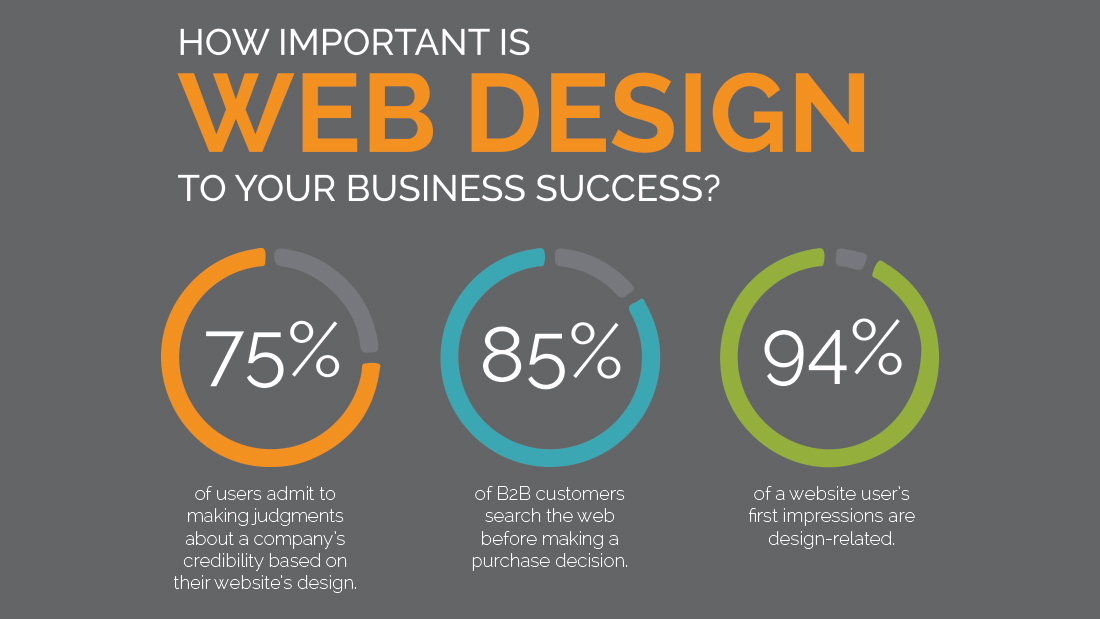
In today’s digital-first world, customers search online before making almost any purchasing decision. Whether someone is looking for a local dentist, gym membership, restaurant, software solution, or home service, their first step is usually a search engine or online research. Businesses that do not have a professional website often miss these opportunities every single day.
A website is no longer just an optional marketing asset. It is a central platform that connects potential customers with your products or services. Without it, businesses rely heavily on walk-ins, referrals, or social media visibility, which limits growth and scalability.
This article explains why businesses without websites lose daily sales opportunities and outlines proven strategies to turn a website into a consistent revenue generator.
The Modern Customer Journey Begins Online
Most buying journeys start online. When someone needs a service or product, they typically search on a search engine, browse options, compare reviews, and visit websites before contacting a business.
If your business does not have a website, several problems occur:
Customers cannot easily learn about your services.
Your business appears less credible compared to competitors.
Potential buyers may choose competitors who provide more information online.
Even if customers hear about your business through referrals or social media, they often try to verify your credibility by visiting your website. Without a website, that verification step disappears and trust declines.
A website therefore acts as the first digital interaction between a customer and your brand.
Limited Visibility Means Fewer Opportunities
One of the biggest disadvantages of not having a website is reduced visibility. When people search for services related to your industry, businesses with websites have the opportunity to appear in search results.
For example, someone searching for:
“best gym near me”
“website design services”
“family dentist in my area”
“local home cleaning services”
will typically find businesses with optimized websites. Without a website, your business will rarely appear in those search results.
This means your competitors capture those leads while your business remains invisible to potential customers actively looking for services you offer.
Every day hundreds or thousands of people search for services online. Without a website, those potential customers cannot discover your business.
A Website Works as a 24/7 Sales Representative
A physical store operates within limited hours. Employees are available only during working shifts. But a website is available at all times.
A well-designed website functions like a digital salesperson that works 24 hours a day. It can:
Present your services and pricing
Answer common questions
Showcase testimonials and past work
Capture inquiries through contact forms
Allow online booking or appointment scheduling
Even when your office is closed, your website can still collect leads and inquiries from potential customers.
Many businesses receive inquiries during late evenings or weekends when they are not actively working. Without a website, those opportunities disappear.
Trust and Credibility Are Strongly Influenced by Online Presence
Customers often associate professionalism with digital presence. A business with a modern, informative website appears more reliable than one without any online platform.
A website allows businesses to build credibility through:
customer testimonials
case studies
certifications
portfolios
detailed service explanations
These elements help visitors feel confident about choosing your business.
When customers cannot find a website, they may assume the business is outdated, inactive, or less trustworthy. In competitive industries, this perception can quickly push customers toward other providers.
Social Media Alone Is Not Enough
Some businesses rely entirely on social media platforms. While social media can help generate awareness, it has limitations.
Social media platforms do not provide full control over your business presence. Algorithms constantly change, and your posts may not reach all followers.
A website serves as a stable foundation for your digital presence. Social media should ideally direct traffic toward your website where customers can access detailed information, services, and contact options.
Unlike social media posts that quickly disappear in feeds, a website organizes information clearly and keeps it accessible.
Lost Opportunities From Search Engine Traffic
Search engines generate some of the most valuable leads because users are actively looking for solutions. This is known as high-intent traffic.
A well-optimized website can attract visitors through search results for relevant keywords. These visitors are more likely to convert into customers because they already need the service.
For example, a dental clinic website optimized for keywords like “emergency dentist” or “dental implants near me” can attract patients who urgently need treatment.
Without a website, a business loses access to this powerful source of potential customers.
Lack of Clear Information Reduces Customer Confidence
Customers often have questions before contacting a business:
What services are offered?
What are the prices or packages?
Where is the business located?
What experience or qualifications does the business have?
A website answers these questions instantly. Without it, customers must spend extra effort calling or messaging the business.
In many cases, people prefer businesses that provide information immediately. If a competitor offers a detailed website while another business provides little information, customers typically choose the option that feels more transparent and convenient.
Missed Lead Generation Opportunities
Websites enable businesses to capture leads using several tools, including:
inquiry forms
newsletter subscriptions
free consultation booking
downloadable guides or resources
chat support
Each visitor who submits a form becomes a potential customer.
Businesses without websites cannot capture these leads effectively. Instead, they rely on customers remembering to call or visit physically, which reduces conversion rates.
Proven Strategies to Turn a Website Into a Sales Engine
Having a website alone is not enough. The website must be designed and optimized to generate leads and sales effectively.
Below are proven strategies that successful businesses use.
Strategy 1: Focus on Conversion-Oriented Design
A website should guide visitors toward taking action. This means including clear calls-to-action such as:
“Book an Appointment”
“Get a Free Quote”
“Contact Our Team”
These buttons should appear prominently throughout the website.
A conversion-focused design also ensures that important information is easy to find, navigation is simple, and the website loads quickly.
Strategy 2: Optimize for Search Engines
Search engine optimization helps your website appear in relevant search results.
Key SEO practices include:
targeting keywords customers search for
creating informative blog content
optimizing page titles and descriptions
improving website speed and mobile usability
SEO takes time, but it creates consistent traffic and long-term lead generation.
Strategy 3: Highlight Customer Testimonials and Case Studies
Social proof significantly influences purchasing decisions.
Displaying real customer feedback helps new visitors feel confident about choosing your services.
Case studies can show how your business solved problems or delivered results for previous clients. This builds credibility and differentiates your brand from competitors.
Strategy 4: Offer Online Booking or Appointment Scheduling
Many customers prefer convenience. Allowing visitors to book appointments directly from your website simplifies the process.
Industries that benefit from online booking include:
healthcare clinics
fitness centers
beauty salons
consulting services
repair services
This feature ensures customers can schedule services immediately without waiting for office hours.
Strategy 5: Use Educational Content to Attract Visitors
Blogs, guides, and educational resources help attract potential customers through search engines and build authority.
For example, a fitness studio could publish articles about workout tips or nutrition guidance. A dental clinic could provide information about oral health care.
Educational content positions your business as a trusted expert while also improving search engine visibility.
Strategy 6: Integrate Marketing Channels With Your Website
A website should connect with other marketing channels, including:
social media
email marketing
paid advertising
local listings
These channels drive traffic toward your website where visitors can learn about your services and become leads.
This integrated approach maximizes the impact of your marketing efforts.
Strategy 7: Ensure Mobile Optimization
A large portion of online searches occurs on mobile devices. If a website does not display properly on smartphones, visitors may leave quickly.
Mobile-friendly design improves user experience and helps search engine rankings. This ensures your website performs effectively for users across all devices.
Strategy 8: Monitor Website Performance and Improve Continuously
Successful businesses analyze website data to understand visitor behavior.
Key metrics include:
number of visitors
pages viewed
conversion rates
sources of traffic
By reviewing this data regularly, businesses can identify areas for improvement and optimize their websites to generate more leads.
The Competitive Advantage of Having a Website
Businesses that invest in professional websites gain several advantages:
higher visibility in search results
stronger brand credibility
consistent lead generation
better customer engagement
improved marketing effectiveness
These benefits create long-term growth opportunities and increase revenue potential.
Meanwhile, businesses without websites often struggle to compete in an increasingly digital marketplace.
Closing Remarks:
In the modern business environment, a website is not just a digital brochure—it is a powerful tool for generating leads and driving sales around the clock.
Businesses without websites miss daily opportunities to connect with potential customers who are actively searching for solutions online. They lose visibility, credibility, and valuable leads that could translate into consistent revenue.
By building a well-designed, optimized website and implementing proven strategies such as search engine optimization, conversion-focused design, and online booking systems, businesses can transform their websites into reliable sales engines.
A website allows your business to remain visible, accessible, and competitive at all times. As more customers rely on online research before making decisions, having a strong digital presence becomes essential for long-term success and growth.