Understanding the Digital Landscape
In today's rapidly evolving digital landscape, having a strong online presence is crucial for businesses seeking to attract and retain customers. With the increased dependence on technology and the internet, consumers have significantly shifted their purchasing behavior towards online platforms. Research indicates that approximately 79% of consumers conduct online research before making a purchase decision, underscoring the necessity for businesses to establish themselves effectively in the online arena.
Moreover, social media has become a pivotal channel for business engagement, with over 4. 9 billion active users worldwide. This staggering figure emphasizes how a well-crafted social media marketing strategy can enhance visibility and reach among potential customers. Companies that neglect their online presence not only risk losing out on new business but may also be seen as outdated or untrustworthy by consumers who primarily seek out information online.
Statistics reveal that over 70% of consumers are influenced by social media when making purchasing decisions. This means that businesses without an active social media presence are at a distinct disadvantage in capturing the attention of potential customers. Furthermore, the rise of mobile commerce has transformed how consumers shop, as studies show that 53% of mobile users abandon sites that take longer than three seconds to load. Consequently, businesses must not only maintain an online presence but also ensure that it is optimized for user experience to engage customers effectively.
In conclusion, the shift in consumer behavior towards online shopping and research emphasizes the urgency for businesses to improve their online visibility. Ignoring this critical aspect of modern commerce may result in substantial missed opportunities to connect with potential customers, making it essential for companies to invest in digital marketing strategies, including social media engagement, to stay competitive.
Common Mistakes Businesses Make Online
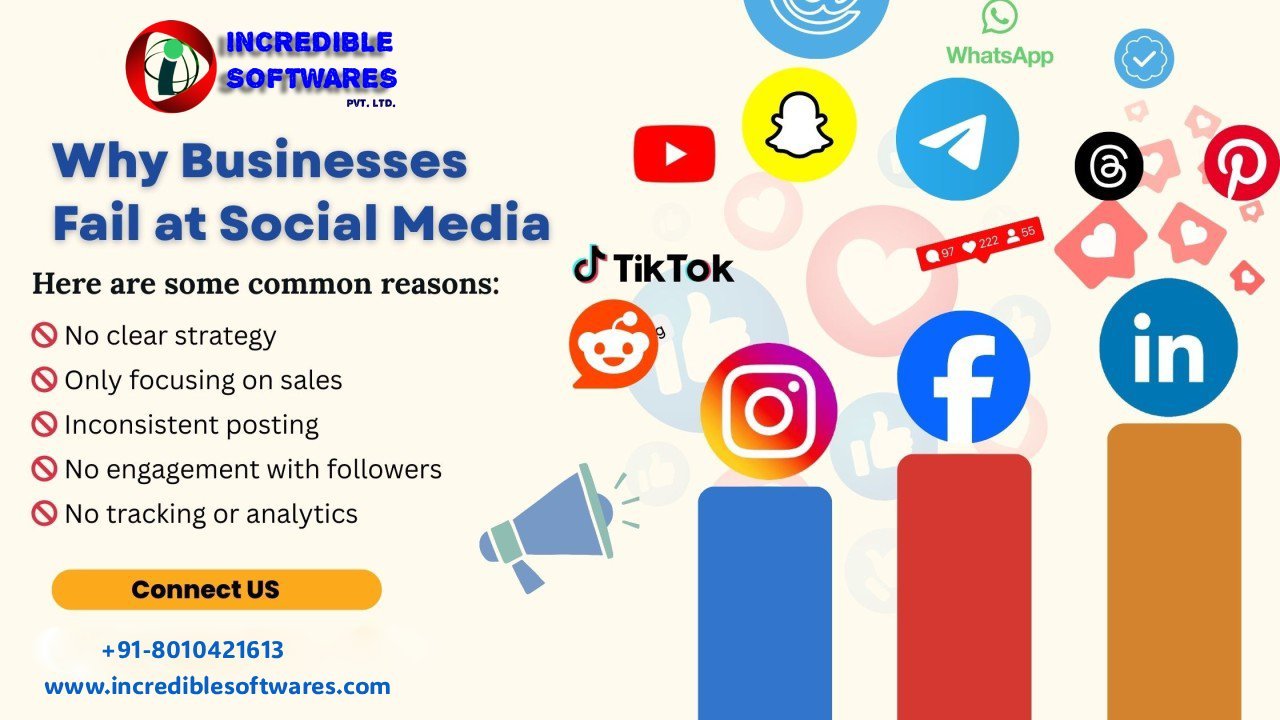
In the digital landscape, businesses often encounter numerous pitfalls that can severely hinder their ability to attract and retain customers. One primary mistake is neglecting social media, which has become a vital platform for customer engagement and brand visibility. Many businesses either abandon their social media accounts or fail to utilize them effectively, missing out on potential customer interactions, feedback, and brand advocacy. This negligence can lead to stagnation in audience growth and reduced customer loyalty.
Another common error is not optimizing their websites for search engines. A website that is not optimized with relevant keywords, proper metadata, and fast loading times can significantly impact its visibility on search engines like Google. Without this optimization, potential customers may never find the business when searching for products or services online, resulting in lost opportunities to connect with interested parties.
Furthermore, poorly executed content strategies can further complicate matters. Businesses may struggle to create engaging, valuable content that resonates with their audience, choosing instead to focus on promotional material or irrelevant information. This lack of compelling content can turn potential customers away, as they seek businesses that provide meaningful insights and solutions to their problems. A well-defined content strategy that balances promotional efforts with informative and engaging content is essential to attract and keep the attention of consumers.
Lastly, many businesses fail to utilize analytics to track their online performance, which is critical for understanding customer behavior and effective marketing strategies. Analytics tools help businesses identify what aspects of their online presence are working and what need improvement. Without this data-driven approach, businesses may continue to invest in ineffective strategies that fail to yield results, leading to poor customer acquisition and retention.
The Power of Social Media Marketing
Social media marketing has emerged as a crucial tool for businesses aiming to enhance their online presence and connect with a broader audience. By leveraging various social media platforms, companies can implement strategies that not only engage customers but also convert them into loyal advocates for the brand. The fundamental principle of effective social media marketing revolves around understanding and targeting the right audience. Knowing who your potential customers are allows businesses to tailor their content and messaging to resonate with their specific interests and preferences.
Engagement is another key aspect of social media marketing. It is essential for businesses to interact actively with their audience through comments, likes, and shares. This two-way communication fosters a sense of community where customers feel valued and heard, ultimately building stronger relationships. Content creation plays a pivotal role here; by producing shareable and relevant content, businesses can encourage their followers to promote their brand organically. This can include anything from informative articles, eye-catching visuals, to entertaining videos that reflect the brand’s identity.
Utilizing paid advertising options on social media platforms is also an effective strategy to boost visibility. Platforms like Facebook and Instagram offer advanced targeting features that allow businesses to reach specific demographics based on location, interests, and online behavior. For instance, a successful campaign by Nike utilized user-generated content on Instagram to engage with their audience while promoting their products. This strategy not only increased customer interaction but significantly enhanced brand visibility and loyalty.
In essence, incorporating social media marketing into a holistic digital strategy can transform a business’s outreach efforts. By effectively targeting the right audience, engaging users, creating shareable content, and utilizing paid marketing strategies, companies can significantly improve their online presence and, consequently, their customer acquisition efforts.
Implementing a Social Media Strategy
Developing a social media strategy is crucial for businesses seeking to enhance their online presence and attract customers. To embark on this journey, companies must begin by setting clear, measurable goals. Whether the objective is to increase brand awareness, generate leads, or foster customer engagement, having well-defined targets will provide direction and focus for the social media efforts.
Next, it is essential to choose the right platforms for your target audience. Different social media networks cater to varying demographics and interests. Conducting research to understand where your potential customers are active will enable you to optimize your outreach. For example, if your audience is predominantly professionals, platforms like LinkedIn may be more effective compared to more casual networks like Instagram.
Consistency is key in social media marketing. Businesses should aim to post regularly, maintaining a balance between promotional content and engaging posts. This not only keeps your brand relevant but also encourages audience interaction. Developing a content calendar can simplify this process, ensuring that posts are planned in advance and aligned with marketing campaigns.
Analyzing performance metrics is another vital aspect of a social media strategy. Utilizing analytics tools can provide insights into audience engagement, reach, and growth over time. By monitoring these metrics, businesses can identify which types of content perform well and which areas require improvement.
Finally, it is essential to remain adaptable. The digital landscape is always evolving, and strategies that worked in the past may not yield the same results today. Businesses should continuously assess their performance, gather feedback, and adjust their approach to meet changing market demands and consumer preferences, contributing to sustained growth and customer acquisition.